Gen Z graphic design is a vibrant and dynamic field that is constantly evolving. As a member of this generation, you are likely aware of the importance of staying up to date on the latest trends in order to create designs that are fresh and relevant to your audience.
In this article, we will explore some of the top trends in Gen Z graphic design, from bold colors to interactive elements and everything in between.
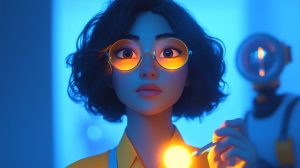
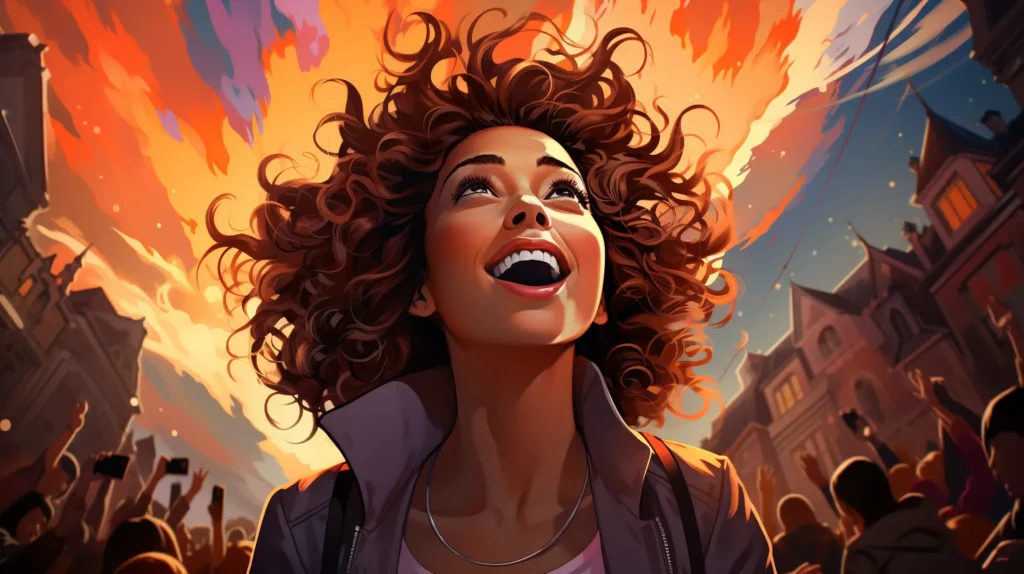
Firstly, the rise of bold and bright colors has been a defining characteristic of the Gen Z aesthetic. From neon pinks to electric blues, these colors make a statement and grab the viewer’s attention. This trend has been seen across various mediums, including social media, advertising, and even fashion.
As a graphic designer, you can incorporate these bold colors into your designs to create a visually striking and memorable end product. So, if you’re looking to make an impact with your designs, incorporating bold colors should definitely be on your radar.
Key Takeaways
- Bold and bright colors are a defining characteristic of Gen Z graphic design, influenced by color psychology and social media.
- Minimalism is becoming increasingly popular, with negative space enhancing impact and versatility across platforms, and interactive elements like animation and video can make minimalist designs more engaging.
- Mixing and matching different design styles can add a unique edge, with hand-drawn illustrations becoming increasingly popular in Gen Z graphic design.
- Gen Z values inclusivity and sustainability in design, with eco-friendly options including recycled paper, vegetable-based inks, and biodegradable plastics, and sustainable design choices can reduce waste and appeal to a socially conscious audience.
The Rise of Bold, Bright Colors
Gen Z graphic design is all about popping with bold, bright colors that jump off the screen and demand attention. This trend is largely influenced by color psychology and the impact of social media on the younger generation.
Colors like neon pink, electric blue and vibrant orange are just a few examples of shades that are currently in vogue. These colors are not just visually appealing but also communicate a sense of energy, excitement, and youthful exuberance.
The rise of bold, bright colors in Gen Z graphic design can largely be attributed to the impact of social media. With platforms like Instagram and TikTok dominating the digital landscape, users are constantly inundated with visually striking and attention-grabbing content. As a result, designers have had to adapt their strategies to ensure that their work stands out in a crowded and highly competitive space. The use of bold, bright colors is one way to achieve this and is a trend that is likely to continue for the foreseeable future.
While bold colors are currently in vogue, there is also a growing trend towards embracing minimalism in design. This means using simple, clean lines, and a more stripped-down color palette. However, this does not mean that bold colors will disappear altogether. Instead, they will likely be used more selectively and purposefully, in combination with simpler design elements.
This trend is a reflection of the evolving tastes and preferences of Gen Z, who value both creativity and simplicity in equal measure.
Embracing Minimalism in Design
You’ve probably noticed how many modern designs have a clean, simple look that emphasizes white space and uses only a few key elements – but have you ever wondered why minimalism has become such a popular style choice lately? For Gen Z, the answer lies in balancing functionality and aesthetics. By stripping away unnecessary elements and focusing on the essentials, minimalist design puts the emphasis on what’s important. This approach can help to create a more user-friendly experience, whether you’re designing a website, a mobile app, or a print ad.
One key element of minimalist design is exploring negative space. Negative space, also known as white space, refers to the areas of a design that are intentionally left blank. It may seem counterintuitive, but negative space can actually enhance the impact of a design by drawing attention to the elements that are present. By using negative space effectively, you can create a sense of balance and harmony in your design, while also helping to guide the user’s eye to the most important content.
Another benefit of minimalist design is that it can make your designs more versatile. Because minimalist designs are often simple and streamlined, they can be adapted to a wide range of media and applications. Whether you’re designing for print, web, or mobile, a minimalist approach can help your designs to look great and function effectively across different platforms. And as more and more designers are embracing minimalism, it’s becoming a trend that’s here to stay.
Incorporating interactive elements into your designs can add a level of engagement and interactivity that can help to keep users interested and involved. By using features like animation, video, and interactive graphics, you can create designs that are both visually appealing and functional. So how can you incorporate these elements into your minimalist designs? Stay tuned for the next section to find out.
Incorporating Interactive Elements
To make your minimalist designs more engaging, try incorporating interactive elements such as animation and video. These elements can help bring your designs to life and make them more memorable for your audience.
One popular way to incorporate interaction is through gamification techniques, such as adding rewards or challenges for users to complete. Another way to add interactivity to your designs is through virtual reality integration. This technology allows users to fully immerse themselves in your designs and experience them in a unique and engaging way.
By using virtual reality, you can create a more personalized and immersive experience for your audience, which can help make your designs stand out.
Overall, incorporating interactive elements into your minimalist designs can help make them more engaging and memorable for your audience. Whether you choose to use gamification techniques or virtual reality integration, these elements can help create a more personalized and immersive experience for your users.
In the next section, we’ll explore how to mix and match different styles to create unique designs that stand out.
Mixing and Matching Different Styles
Don’t be afraid to experiment with mixing and matching different design styles, as it can add a unique edge to your work and set you apart from the rest. Combining aesthetics from different styles can bring a fresh perspective to your designs, especially when balanced creatively. This trend for Gen Z graphic design is all about breaking the rules and creating something new.
To give you an idea of how to mix and match different design styles, here’s a table that showcases some popular combinations:
| Design Style 1 | Design Style 2 | Resulting Combination |
|---|---|---|
| Minimalism | Pop Art | Bold, colorful designs |
| Vintage | Modern | Rustic yet sleek designs |
| Futuristic | Hand-drawn | Unique, imaginative designs |
As you can see, the possibilities are endless when it comes to combining different design styles. By experimenting with different combinations, you can create something truly original and eye-catching.
Using hand-drawn illustrations is another trend for Gen Z graphic design that complements the mixing and matching of different styles. By incorporating hand-drawn elements into your designs, you can add a personal touch and bring a more organic feel to your work.
Using Hand-Drawn Illustrations
Add a personal touch to your designs and make them stand out with the incorporation of hand-drawn illustrations, giving them a more organic and unique feel. It’s no secret that Gen Z designers are exploring creativity in new ways, and hand-drawn illustrations are becoming increasingly popular.
These illustrations add a sense of authenticity to designs, making them more relatable and engaging. The impact of technology on hand-drawn illustrations in Gen Z design cannot be ignored. With the rise of digital art tools, it’s easier than ever to create illustrations that mimic the look of hand-drawn designs. However, many designers are still opting for traditional methods, such as pen and paper, to create their illustrations.
This shows a desire for authenticity and a willingness to put in the extra effort to create something truly unique. Incorporating hand-drawn illustrations into your designs is a simple way to add a personal touch and stand out in a sea of digital designs. As you experiment with this trend, keep in mind that it’s important to strike a balance between technology and tradition.
In the next section, we’ll explore how you can further push the boundaries of design by experimenting with typography.
Experimenting with Typography
You can really elevate your design game by playing with typography. Turn your words into works of art that dance off the page like music notes in a symphony. Typography isn’t just about choosing a font, it’s about using it in a creative and innovative way that captures the attention of your audience.
Gen Z designers are pushing the boundaries of typography, experimenting with new trends and innovative font pairings to create unique designs that stand out in a crowded digital space. Here are three typography trends that are currently popular among Gen Z designers:
- Handwritten fonts – Handwritten fonts add a personal touch to designs, making them feel more authentic and relatable. They’re often used in branding and advertising to create a more human connection with the audience.
- Bold and bright colors – Bold and bright colors are being used more frequently in typography to make designs pop. They create a sense of energy and excitement, drawing the eye to important information and creating a memorable experience for the viewer.
- Text as image – Text can be used as an image to convey meaning and create a visual impact. This trend is often seen in social media graphics and website design, where the text is the focal point of the design.
Incorporating these typography trends into your designs can help you create a more engaging and memorable user experience. Prioritizing user experience is essential in today’s digital world, where attention spans are short and competition is fierce. By experimenting with typography, you can capture the attention of your audience and create designs that stand out from the crowd.
Prioritizing User Experience
Prioritizing user experience is a crucial aspect of creating designs that stand out in a competitive digital landscape. Designing for accessibility is one way to achieve this goal.
Gen Z is a generation that values inclusivity, and designing with accessibility in mind is a way to ensure that everyone can access and enjoy your designs. Improving website navigation is another way to prioritize user experience.
Gen Z has grown up with the internet at their fingertips, and they expect websites to be easy to navigate. By creating clear and intuitive navigation menus, you can make it easier for users to find what they’re looking for on your website. This can lead to increased engagement and a better overall user experience.
Creating sustainable designs is the next step in designing for Gen Z. This generation is passionate about environmental issues, and they want to see companies taking steps to reduce their carbon footprint. By designing with sustainability in mind, you can appeal to this demographic and make a positive impact on the environment.
Consider using eco-friendly materials, reducing waste, and creating designs that are built to last. Making sustainable design choices can help you stand out in a crowded market and appeal to a socially conscious audience.
Creating Sustainable Designs
To make your designs more environmentally friendly, consider incorporating sustainable materials and designing with a focus on reducing waste and longevity.
There are many eco-friendly options available to designers these days, including recycled paper, vegetable-based inks, and even biodegradable plastics. By choosing these materials, you can reduce the impact that your designs have on the environment.
In addition to using sustainable materials, you can also reduce waste by designing with longevity in mind. This means creating designs that are timeless and can be used for years to come. By avoiding trendy designs that will quickly become outdated, you can help reduce the amount of waste produced by the graphic design industry.
Here are five ways that you can create more sustainable designs:
- Use recycled paper and vegetable-based inks in your designs.
- Avoid trendy designs that will quickly become outdated.
- Design with longevity in mind.
- Use minimal packaging for your designs.
- Encourage your clients to choose sustainable materials for their projects.
By incorporating these practices into your design process, you can help reduce the impact that your designs have on the environment and create more sustainable designs for future generations to enjoy.
Frequently Asked Questions
How can graphic designers appeal to Gen Z’s interest in social justice and activism through their designs?
Designing for activism through socially conscious design is key. Use your design skills to create allegories that represent social justice issues. Engage Gen Z in meaningful conversations through your designs.
What impact do emerging technologies, such as virtual and augmented reality, have on Gen Z’s graphic design preferences?
To appeal to Gen Z’s graphic design preferences, consider incorporating virtual reality integration and augmented reality implementation. These emerging technologies provide an immersive and interactive experience that aligns with their digital-first mindset and love for innovation.
How do Gen Z’s diverse cultural backgrounds and experiences influence their graphic design preferences?
You may be surprised to learn that Gen Z’s graphic design preferences are heavily influenced by their diverse cultural backgrounds and personal experiences. These factors contribute to a unique and constantly evolving aesthetic that pushes the boundaries of design trends.
What role does humor and satire play in Gen Z’s graphic design trends?
As a Gen Z designer, you understand the role of irony and the use of memes in your designs. You know how humor and satire can impact branding and create relatable content for your audience. Stay on top of current trends and keep experimenting.
How can brands effectively incorporate Gen Z’s desire for authenticity and transparency into their graphic design strategies?
To effectively incorporate Gen Z’s desire for authenticity and transparency into your graphic design strategy, consider incorporating storytelling and utilizing user-generated content. This approach builds trust and allows for a more authentic representation of your brand.
That’s A Wrap!
So there you have it – the latest trends in graphic design that are sure to catch the attention of Generation Z.
Bold, bright colors, minimalist designs, interactive elements, mixed and matched styles, hand-drawn illustrations, experimental typography, user experience prioritization, and sustainable designs are all the rage in the world of graphic design.
With the fast-paced world we live in, it’s important to keep up with the latest trends to stay relevant and appealing to the younger generation.
So, whether you’re a seasoned graphic designer or just starting out, incorporating these trends into your work will definitely give your designs a fresh and modern look.
Remember, as the old saying goes, ‘Out with the old, in with the new!’ …and these graphic design trends are the perfect way to stay on top of your game and keep your designs contemporary and in-demand.