
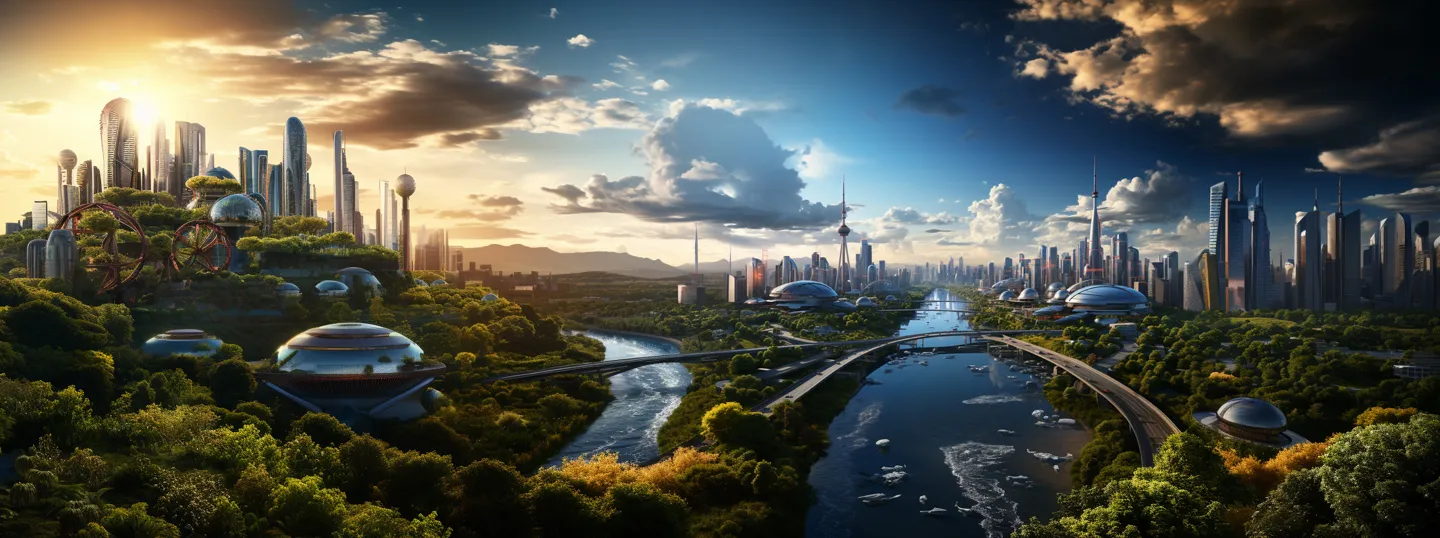
Get ready to buckle up and take a ride into the future of design. The world of design is constantly evolving, and 2023 is just around the corner. It’s time to start thinking about what the next big design trend will be and how you can stay ahead of the curve.
As the saying goes, ‘the only constant in life is change,’ and the world of design is no exception. With new technologies emerging and societal values shifting, designers must adapt and evolve to meet the demands of the future.
In this article, we’ll explore some of the most exciting design trends that are likely to emerge in 2023 and beyond. From augmented reality to sustainable practices, minimalism to AI integration, we’ll take a deep dive into what’s coming next in the world of design.
So, sit back, relax, and let’s take a journey into the future of design.
Key Takeaways
- Augmented reality (AR) and interactive design experiences will revolutionize the way we create and experience art and design.
- Incorporating bold typography, vibrant color schemes, contrasting palettes, and experimental design elements can create visually striking and engaging designs.
- AI integration in design processes and human-AI collaboration will empower designers to create personalized and efficient designs.
- Unconventional design methods and futuristic technologies, such as biomimicry and emotional design, will shape the future of design in 2023.
The Rise of Augmented Reality in Design
Get ready for the next big thing in design – the rise of augmented reality (AR) is set to revolutionize the way we create and experience art and design!
With AR, designers can create a virtual world that can be overlaid with the real world, giving users a unique and immersive experience.
Designing for accessibility is a key consideration in AR design, as it allows people with disabilities to experience art and design in a new way.
In addition to accessibility, ethical considerations are also important in AR design. For example, designers must be aware of the potential for AR to be used for harmful purposes, such as promoting hate speech or spreading false information.
It is important for designers to consider the potential impact of their designs and to work towards creating AR experiences that are both engaging and socially responsible.
As AR technology continues to advance, we can expect to see more designers incorporating it into their work. The possibilities for AR in design are endless, and it has the potential to change the way we approach design in the future.
With ethical considerations and accessibility in mind, AR has the power to create an inclusive and engaging design experience for all. And speaking of inclusivity, sustainable design practices for a better world should also be a top priority for designers.
Sustainable Design Practices for a Better World
By adopting sustainable design practices, we can pave the way for a future as bright as a sunny day. Eco-friendly materials and circular design principles are at the forefront of this movement. Here are five ways these practices can shape our world:
Imagine a world where waste is minimized and everything is designed to be reused or repurposed. This is the future we can create with circular design principles.
Picture homes and buildings made from sustainable materials like bamboo, hemp, or recycled wood. These materials aren’t only better for the environment, but they also create unique and beautiful designs.
Imagine a world where every product is designed with the end of its lifecycle in mind. From packaging to the product itself, everything can be designed to minimize waste and environmental impact.
Picture a world where energy-efficient designs are the norm. From solar panels to smart home technology, sustainable design practices can reduce our carbon footprint and create more efficient living spaces.
Imagine a world where nature and design work together seamlessly. Biophilic design, which incorporates natural elements into architecture and interiors, can create spaces that aren’t only beautiful but also promote health and well-being.
By embracing these sustainable design practices, we can create a world that isn’t only beautiful but also better for the environment and our health. But, sustainability isn’t the only trend shaping the future of design. The influence of minimalism in design’s also something to keep an eye on.
The Influence of Minimalism in Design
With its focus on simplicity and functionality, minimalism has become a popular design approach in recent years. The concept of ‘less is more’ has influenced various design fields, from architecture to fashion. Minimalism’s impact on design has been significant, with its clean lines, use of negative space, and limited color palette.
However, the paradox of simplicity arises when designers must balance minimalism with functionality. A minimalist design that sacrifices usability and practicality can result in a frustrating user experience. Therefore, designers must consider the user’s needs while simplifying the design. The challenge is to find the right balance between aesthetics and function, where the design is both visually appealing and easy to use.
As we look toward the future of design, we can expect to see the integration of AI in design processes. With AI’s ability to analyze user data and predict trends, designers can create more personalized and efficient designs. The integration of AI is a natural progression in design, and it’ll be interesting to see how minimalism will coexist with this new technology.
The Integration of AI in Design Processes
You’re in for an exciting ride as AI integrates seamlessly into design processes, empowering designers to create personalized and efficient designs. With AI-powered creativity, designers can streamline their workflows and generate unique design concepts faster than ever before.
The integration of AI in design processes also allows designers to focus on more complex and creative tasks, while AI assists with the more tedious and repetitive elements of design. Human AI collaboration in design is the next big thing in the industry. As AI technology continues to advance, it will become an even more powerful tool for designers.
AI algorithms can analyze data and patterns to suggest design elements based on user preferences and behavior. But at the same time, human designers can bring their own unique perspectives and creativity to the table. The combination of AI and human creativity will enable designers to create truly innovative and personalized designs.
As we look ahead to 2023, it’s clear that the integration of AI in design processes will be a major trend. This will allow designers to push the boundaries of their creativity and produce designs that are more efficient, unique, and personalized than ever before.
But of course, AI is just one piece of the puzzle. In the next section, we’ll explore another major design trend: bold typography and color schemes.
Bold Typography and Color Schemes
If you want to make a bold statement with your design, consider incorporating eye-catching typography and vibrant color schemes, which have been found to increase user engagement by up to 80%.
Contrasting palettes, experimental typography, and incorporating textures and gradient color schemes are some of the ways to achieve this effect. By combining complementary colors and using bold typography that contrasts with the background, you can create a visually striking design that captures the attention of your audience.
One way to incorporate texture into your design is by using images or illustrations with a variety of textures. This can create depth and visual interest, making your design more engaging.
Gradient color schemes are also a popular trend, with designers experimenting with bold and unexpected color combinations. By using gradients, you can create a sense of movement and flow in your design, adding to its dynamic nature.
Incorporating bold typography and vibrant color schemes can help your design stand out and capture the attention of your audience. By experimenting with contrasting palettes, experimental typography, and incorporating textures and gradient color schemes, you can create a visually striking design that engages and captivates your audience.
As we move towards more interactive and immersive design experiences, incorporating these trends will become even more important in creating designs that truly stand out.
Interactive and Immersive Design Experiences
Immerse your audience in a world of interactive design, where they can explore and engage with your content in a way that captivates their attention and leaves a lasting impression. In 2023, interactive and immersive design experiences are set to become one of the biggest design trends. With the rise of gamification techniques and virtual reality experiences, designers have the opportunity to create truly unique and engaging experiences for their audiences.
To fully embrace this trend, designers must think beyond traditional design methods. Incorporating interactive elements into every aspect of design, from websites to marketing materials, creates a seamless experience for the user. This can range from simple animations to interactive quizzes and games that allow the user to engage with the content in a fun and meaningful way.
By incorporating these elements, designers can create a sense of connection between the user and the brand. This connection not only keeps the user engaged but also creates a lasting impression that will keep them coming back for more. As we move towards 2023, it’s essential for designers to embrace interactive and immersive design experiences to stay ahead of the curve and engage with audiences in new and exciting ways.
Incorporating interactive and immersive design experiences is just the beginning. The next big trend in design is embracing diversity and inclusivity. By incorporating diverse perspectives and representing a range of experiences, designers can create meaningful and impactful designs that resonate with a wide range of audiences. This includes everything from inclusive language to diverse imagery and representation. By embracing diversity and inclusivity, designers can create designs that not only look great but also make a positive impact on the world.
Embracing Diversity and Inclusivity in Design
Incorporating diverse perspectives and inclusive elements into design creates impactful and meaningful visuals that resonate with a broader audience. Accessible design has become a crucial part of creating a successful product or service. By making sure that your design is accessible to people with disabilities, you can create an inclusive experience that everyone can enjoy.
This means considering things like color contrast, font size, and audio descriptions for those who are visually impaired. Cultural representation is another important aspect of inclusive design. By incorporating different cultural elements into your design, you can create a more relatable and authentic experience for your audience.
This means considering things like language, symbolism, and imagery that represent different cultures and traditions. By doing this, you can create a design that not only looks good but also tells a story that resonates with people from different backgrounds. Embracing diversity and inclusivity in design is crucial for creating impactful and meaningful visuals that resonate with a broader audience.
By incorporating accessible design and cultural representation into your work, you can create an experience that is inclusive and authentic. As we look towards the future of design, it’s important to continue exploring new frontiers and pushing boundaries to create designs that aren’t just aesthetically pleasing but also socially responsible.
The Future of Design: Exploring New Frontiers
You’re in for a wild ride as the future of design takes you to uncharted territories, pushing the limits of creativity and innovation to levels you never thought possible. The next big design trend for 2023 is all about exploring creativity and pushing boundaries. It’s about embracing unconventional design methods and concepts that will challenge the norm and inspire new ways of thinking.
Futuristic design is at the forefront of this trend. As technology continues to evolve, designers are incorporating it into their work to create designs that predict user needs and anticipate future trends. From virtual reality to augmented reality, the possibilities are endless. Designers are also exploring the use of artificial intelligence, machine learning, and automation to create designs that are more efficient and effective than ever before.
But it’s not just about technology. The future of design is also about embracing sustainability and social responsibility. Designers are exploring new ways to create products and services that are eco-friendly and have a positive impact on society. The table below highlights some of the unconventional design methods and futuristic technologies that will shape the future of design in 2023.
| Unconventional Design Methods | Futuristic Technologies |
|---|---|
| Biomimicry | Virtual Reality |
| Emotional Design | Augmented Reality |
| Inclusive Design | Artificial Intelligence |
| Generative Design | Machine Learning |
| Data-Driven Design | Automation |
Get ready to explore new frontiers in design. The future is bright, and the possibilities are endless. Are you ready to be a part of it?
Frequently Asked Questions
How can augmented reality be applied in design beyond just visualizing products?
Explore augmented reality to create interactive experiences and immersive environments. Beyond visualizing products, AR can enhance user engagement, offer personalized and real-time solutions, and enable multi-sensory experiences that redefine design possibilities.
What are some specific sustainable design practices that can be implemented in the fashion industry?
To implement sustainable design practices in fashion, consider adopting circular economy principles and utilizing upcycling techniques. By reusing materials and minimizing waste, you can reduce your environmental impact and create unique, eco-friendly designs.
How has minimalism influenced design in industries outside of graphic design?
Did you know that the minimalist movement has led to a 40% increase in demand for tiny homes? This design industry impact has also influenced architecture, with clean lines and simplicity being prioritized. Embracing minimalism can lead to innovative and sustainable solutions.
What are some potential ethical concerns surrounding the use of AI in design processes?
As AI becomes more prevalent in design, privacy concerns, and bias implications arise. It’s crucial to ensure the ethical use of data and algorithms to prevent perpetuating harmful stereotypes and protect user privacy.
How can design be used to promote social justice and equity in a tangible way?
Design for accessibility and inclusive design practices can promote social justice and equity by prioritizing the needs of marginalized communities. By creating products and services that are accessible to all, designers can contribute to a more equitable society.
That’s A wrap!
Well done! You’ve explored some of the most exciting design trends that are set to take the world by storm in 2023. From augmented reality to sustainable design practices, the future of design is looking bright and innovative.
As a designer, it’s important to stay ahead of the curve and embrace these trends to create impactful and meaningful experiences for your clients. But what does all of this mean for the future of design?
To put it simply, it’s like a garden. Just as a garden needs a variety of plants and elements to thrive, design needs a mix of trends and practices to truly flourish. Each trend is like a unique flower, bringing its own unique beauty and value to the overall landscape.
By embracing different trends and practices, designers can create a diverse and vibrant garden that inspires and captivates their audiences. So, as you continue to grow and evolve as a designer, remember to keep an open mind and explore new frontiers.
The future of design is full of endless possibilities, and by embracing these trends and practices, you can create experiences that are both impactful and memorable. Happy designing!